Walk into any serious gym and you'll see lifters wrapping their wrists before every single set, warm-ups, accessory work, even cable curls. You'll also see coaches cringe every time it happens.
Wrist wraps are one of the most misunderstood pieces of lifting gear in the gym. Used correctly, they let you push heavier loads with less joint stress and fewer overuse injuries. Used incorrectly, meaning constantly, for everything, they become a crutch that quietly weakens the very joint they're supposed to protect.
This guide covers exactly when wrist wraps earn their place on your wrists, and when leaving them in your bag is the smarter call.
What Wrist Wraps Actually Do
Wrist wraps work by compressing the carpal bones and limiting excessive wrist extension under load. When you're pressing heavy weight, whether on a barbell, dumbbell, or machine, your wrist naturally wants to bend back (extend). Past a certain load, that extension places a shearing force on the joint capsule, tendons, and ligaments that surround the wrist.
Wraps act as an external stabilizer. They don't replace the muscles and connective tissue that normally handle this job, they supplement them when the load exceeds what those structures can safely manage alone.
That distinction matters. Wraps are a load management tool, not a permanent structural upgrade.
When You Should Use Wrist Wraps

Heavy Pressing Movements
This is the primary use case. Any horizontal or vertical pressing movement where the barbell or dumbbell sits in your palm, rather than balanced in your fingers, creates wrist extension stress. The heavier the load, the more that stress compounds.
Specifically:
- Barbell bench press above ~80% of your 1-rep max
- Overhead press (barbell or dumbbell) in the moderate-to-heavy range
- Incline press and dip variations when loading is significant
- Push press or any Olympic-style pressing
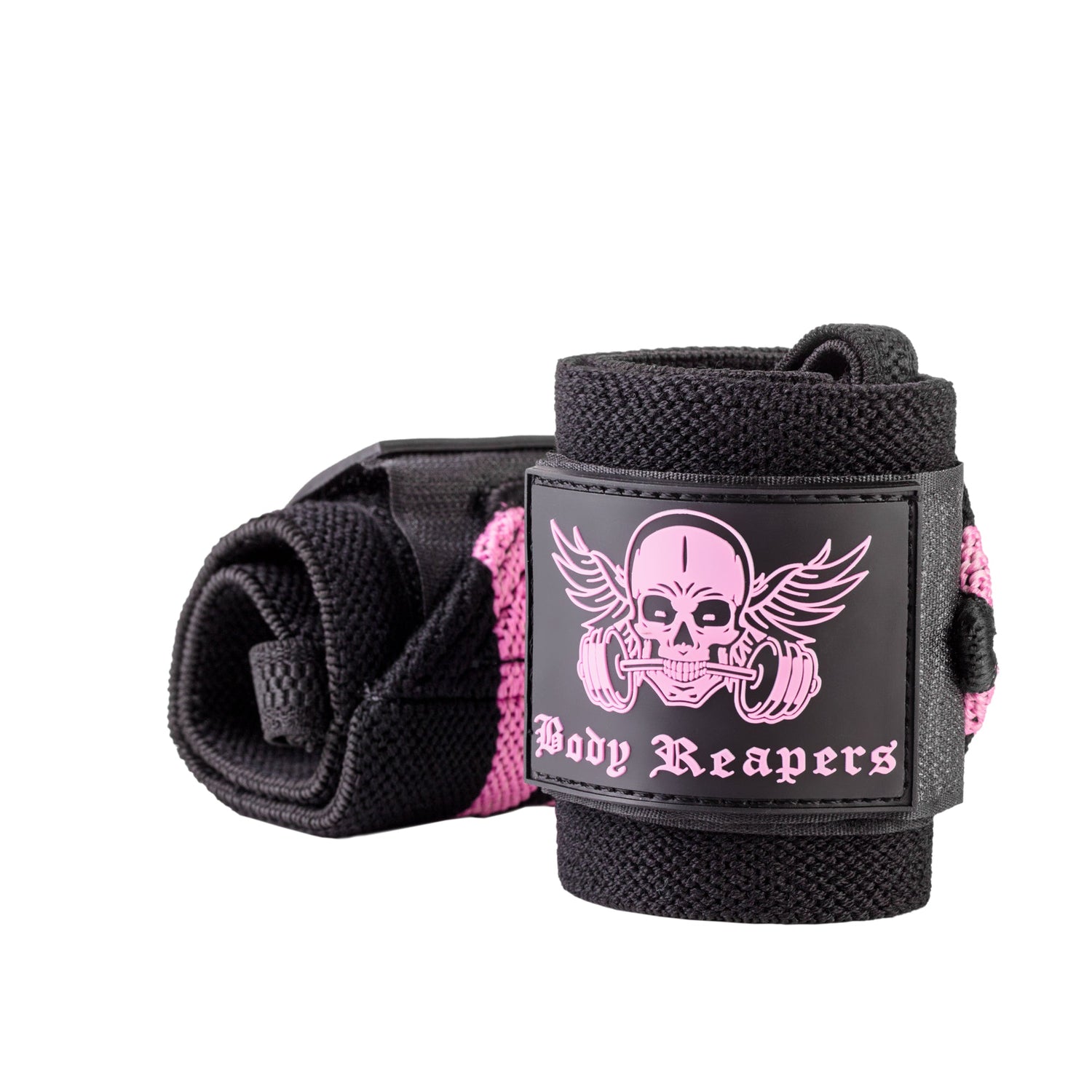
If you're handling weights that cause your wrists to ache during or after these movements, that's a signal the load is outpacing your joint's capacity. Body Reapers wrist wraps provide firm, consistent compression without restricting blood flow, the goal is support through the work set, not a tourniquet.
Handstand and Gymnastics-Based Training
CrossFitters and gymnastics-trained athletes who load handstands, pike push-ups, or ring work place enormous extension stress on the wrist. Wraps provide meaningful protection during skill development phases and max-effort sessions.
Wrist Injury Rehab or Acute Flares
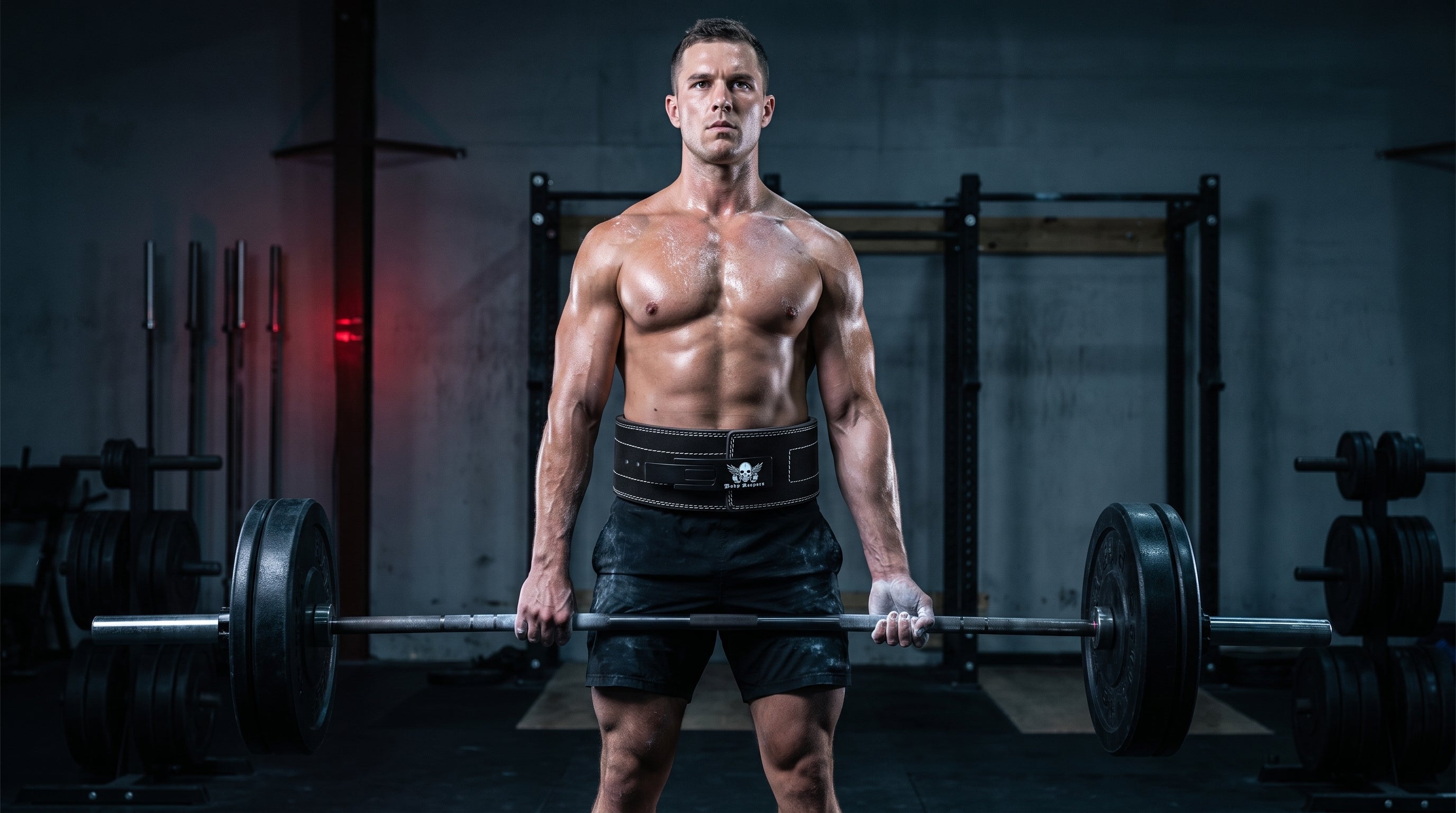
If you're managing a wrist sprain, tendonitis, or recovering from a previous injury, wraps can help you train through a modified program without aggravating the site. This is where clinical judgment matters, wraps should be used in consultation with your sports medicine provider, not as a substitute for rehabilitation. I take the same clinical-first view with lower back pain on deadlifts: support the joint, but fix the cause underneath it.
Competition and Maximal Effort Days
Powerlifters and strength athletes often reserve wraps specifically for competition and peak testing days. This approach builds raw wrist strength during training while protecting the joint when true maximal loads are on the bar.
When You Should Leave Them in Your Bag
Warm-Up and Light Sets
Your wrists, like every other joint, need stimulus to strengthen. Ligaments, tendons, and the joint capsule all adapt to load over time, but only if they're exposed to that load. Wrapping up for every warm-up set eliminates the lower-intensity training signal your wrists need to become more resilient.
Rule of thumb: if you could forget the wraps and still complete the set comfortably, you don't need them.
Pull-Day Training
Rows, pull-ups, lat pulldowns, face pulls, your wrist is in a neutral or slightly flexed position during these movements. Extension stress is minimal. Wraps add nothing and restrict proprioception (your ability to feel how the joint is loaded).
For pulling movements where grip is the actual limiting factor, what you want is lifting straps, not wrist wraps. Straps offload grip fatigue on deadlifts, rows, and pull variations so your back can do its job. They serve a completely different mechanical purpose. If you mix the two up, we break the full distinction down in lifting straps vs wrist wraps.
Isolation Exercises
Curls, lateral raises, tricep pushdowns, the load through your wrist joint during these movements doesn't come close to the threshold where wraps earn their keep. Save the wear on the velcro.
Do Wrist Wraps Weaken Your Wrists Over Time?
This is the question most lifters are actually asking when they hesitate about wraps, and the honest answer is: it depends on how you use them.
Research on external joint support consistently shows that chronic, full-time use of any supportive device can reduce the neuromuscular demand on stabilizing muscles, meaning yes, over-relying on wraps can contribute to wrist weakness over time.
However, lifters who use wraps strategically, only on heavy sets and max-effort days, do not show meaningful differences in wrist strength or stability compared to those who train bare. The key variable is whether your wrists are still being exposed to load the majority of the time.
A practical protocol that works well:
- Warm-up sets: No wraps
- Working sets at 70-80% of max: No wraps (build raw capacity)
- Top sets at 85%+, heavy doubles and singles: Wraps on
- Deload weeks: No wraps throughout
How to Choose the Right Wrist Wraps
Not all wrist wraps are built the same. Here's what actually matters:
Length: Shorter wraps (18") give moderate support and more wrist mobility, better for Olympic lifting and overhead work where some wrist flexion is needed. Longer wraps (24-36") provide maximum rigidity, better for powerlifting and heavy pressing.
Stiffness: Stiffer wraps (woven cotton or thumb-loop reinforced) lock the joint more aggressively. Stretchy wraps offer compression without full immobilization, more appropriate for moderate loads and injury management.
Thumb loop placement: Should position the body of the wrap directly over the wrist joint, not over the hand or forearm. Incorrect placement is one of the most common reasons lifters get no benefit from their wraps.
Body Reapers wrist wraps are built with heavy-duty woven cotton and reinforced stitching designed to hold tension through full competition-level pressing loads, without the bunching or uneven compression that cheaper wraps develop after a few weeks of real training.
The Bottom Line
Wrist wraps are a precision tool, not a default. The lifters who get the most out of them treat them that way: reserved for the sets that actually need them, stored in the bag the rest of the time.
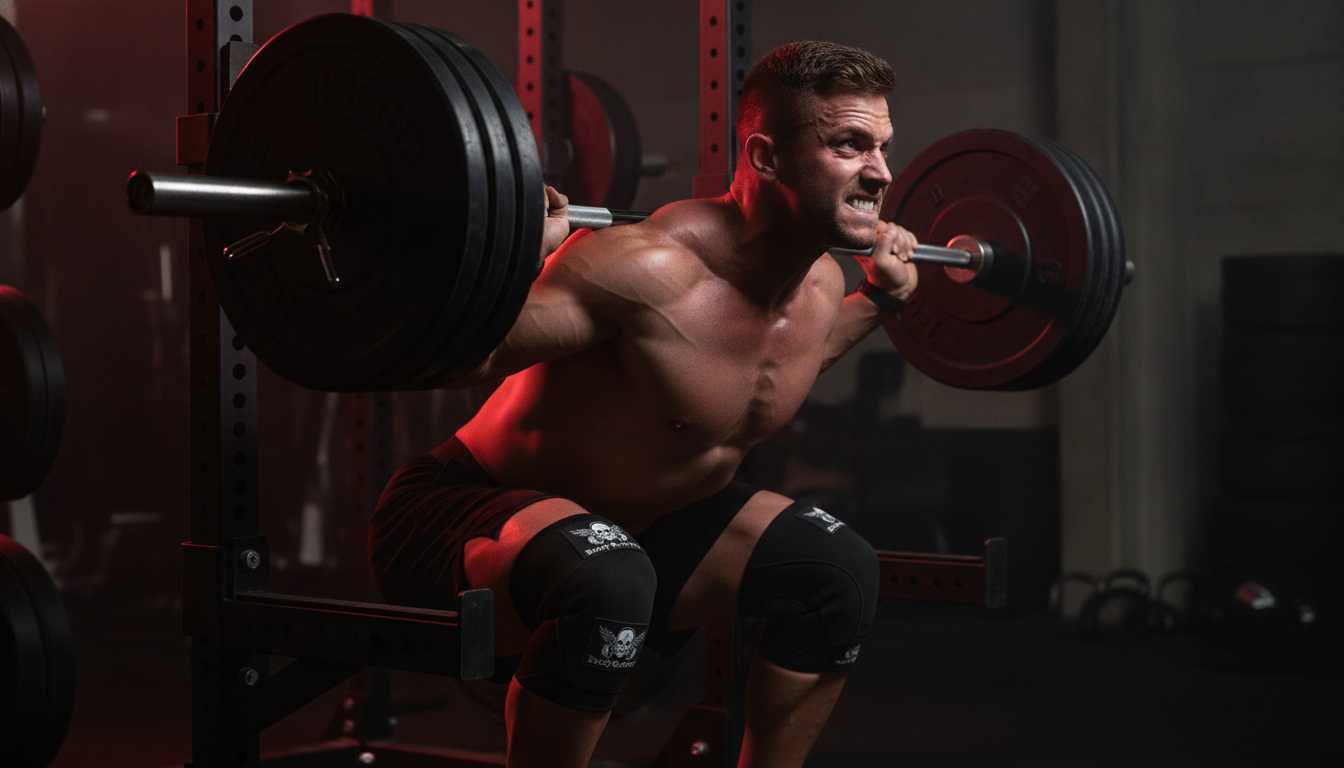
Use them on heavy pressing days. Leave them off everything else. Let your wrists do real work the majority of the time, and they'll be stronger, more stable, and less prone to the nagging overuse injuries that derail training cycles. It's the same principle behind knee sleeves: support the joint when the load genuinely calls for it, not by default.
When you're ready to train with wraps that hold up through real work, Body Reapers wrist wraps are built specifically for the demands of serious lifting, not the gym floor aesthetic.
Recommended Gear


Leave a comment
This site is protected by hCaptcha and the hCaptcha Privacy Policy and Terms of Service apply.