You are standing in the gym or scrolling online, stuck between two numbers. Debates over 10mm vs 13mm belts confuse many lifters. Do you pick the thinner one for comfort? Or the thicker one for ultimate support?
Making the incorrect decision could cause pain or even harm. The right choice instantly boosts your performance. We help athletes and fitness buffs find gear that fits their body and their goals.
We break down the real differences here. No fluff. Just facts to help you decide which belt thickness is right for me 10mm or 13mm.
What is the Difference Between 10mm and a 13mm Belt?
The main difference is simple: thickness. But that 3mm changes everything.
A 10mm vs 13mm belt comparison shows a 30% increase in thickness. This small jump massively alters how the belt feels and functions.
- 10mm Belt: Offers a balance of support and flexibility. It is rigid but gives a little.
- 13mm Belt: Provides maximum stiffness. It acts like a solid wall around your torso.
This thickness affects intra-abdominal pressure. A belt helps you brace harder by giving your core muscles something to push against. A 13mm belt creates a firmer surface. This can translate into greater stability under extreme loads.
Related Reads: How to Use a Lever Belt for Weightlifting
Best Lever Belts for Powerlifting, Weightlifting & Gym
10mm Belt vs 13mm: Analyzing Support and Flexibility

Let us look at the core battle: 10mm belt vs 13mm, which is better for your specific workout.
The Case for 10mm: The All-Rounder
A 10mm belt hits the sweet spot. It provides strong core support with moderate stiffness. It is the most popular choice in powerlifting for a reason.
Why choose 10mm?
- Faster Break-In: A 10mm belt is more durable than a 13mm belt in the long term, but the break-in is much faster. Expect it to feel good in days or weeks, not months.
- Versatility: It handles powerlifts, Olympic lifts, and rows. The added flexibility helps you get into position for snatches or front squats.
-
Comfort: It supports you without digging into your ribs during movement.
The Case for 13mm: The Heavyweight Champ
A 13mm belt is a serious tool. It is often described as feeling like a “spotter around your waist”. It is designed for one job: heavy lifting.
Why choose 13mm?
- Max Support: It offers superior stability. When weights exceed 85% of your max, this support is crucial.
- Confidence: The rigidity provides a psychological and physical edge for maximum attempts.
- Longevity: The extra material often means the belt lasts a lifetime.
However, be ready for a long break in. A 13mm belt for heavy-duty use can take months to mold to your body. Some users report discomfort or even bruising initially.
Recommended: Lever vs. Prong Lifting Belt: Which One Gives You Better Lifting Power?
10mm Belt Durability vs 13mm: Material Matters
Both thicknesses last long if made well. Leather quality matters more than thickness alone.
A 10mm vs 13mm leather belt comparison shows that thicker leather needs more conditioning. The 13mm belt is stiffer. It may require methods such as rolling or conditioning oils to speed up the break-in.
But once broken in, both provide excellent support. Your choice depends on patience. If you want a belt that feels good right away, go with a 10mm belt. If you can wait for the perfect mold, go 13mm.
Which Belt Thickness Is Right for Me? A Simple Test
Ask yourself two questions.
- What is your maximum lift? A 10mm belt is likely more than enough if you squat or deadlift less than 450 pounds. The 13mm is useful for record-breaking elite lifters.
- What exercises do you do? If you only compete in powerlifting (squat, bench, deadlift), try 13mm. If you do CrossFit, Olympic lifting, or bodybuilding, stick to 10mm.
10mm Weightlifting Belt Pros and Cons
Pros:
- Good support for most lifts
- Faster break-in (days to weeks)
- Versatile for different movements
- Comfortable for longer training sessions
Cons:
- Less rigid support vs 13mm for max lifts
This belt is ideal for beginners, recreational lifters, and strongman competitors.
13mm Weightlifting Belt Pros and Cons
Pros:
- Maximum stability and support
- Feels secure for 1 rep max attempts
- Extremely durable
Cons:
-
Long break in (months)
-
Less flexible, can be uncomfortable
-
Higher price point
This belt suits competitive powerlifters and larger athletes moving massive weights.
Related : 3-Inch vs. 4-Inch Lifting Belt: The Ultimate Guide (Choose Right)
Frequently Asked Questions
Is a 10mm or 13mm belt better for powerlifting?
Answer: Both work. However, a 10mm belt vs 13mm belt study shows 10mm is the standard for most federations and lifters. Switch to 13mm only if you are an elite competitor seeking an extra edge.
How long does it take to break in a 13mm belt?
Answer: Expect 4 to 6 weeks of consistent use for a 13mm belt to feel comfortable. Some leather belts can take several months to make.
Should I buy a 10mm or 13mm belt as a beginner?
Answer: Definitely start with a 10mm belt. It supports your progression without the discomfort of a stiff 13mm belt.
What is the difference between a 10mm and a 13mm belt in terms of feel?
Answer: The difference between 10mm and 13mm belt feel is significant. The 10mm feels like strong support. The 13mm feels like a rigid cast. It limits movement but maximizes stability.
Ready to lift safely?
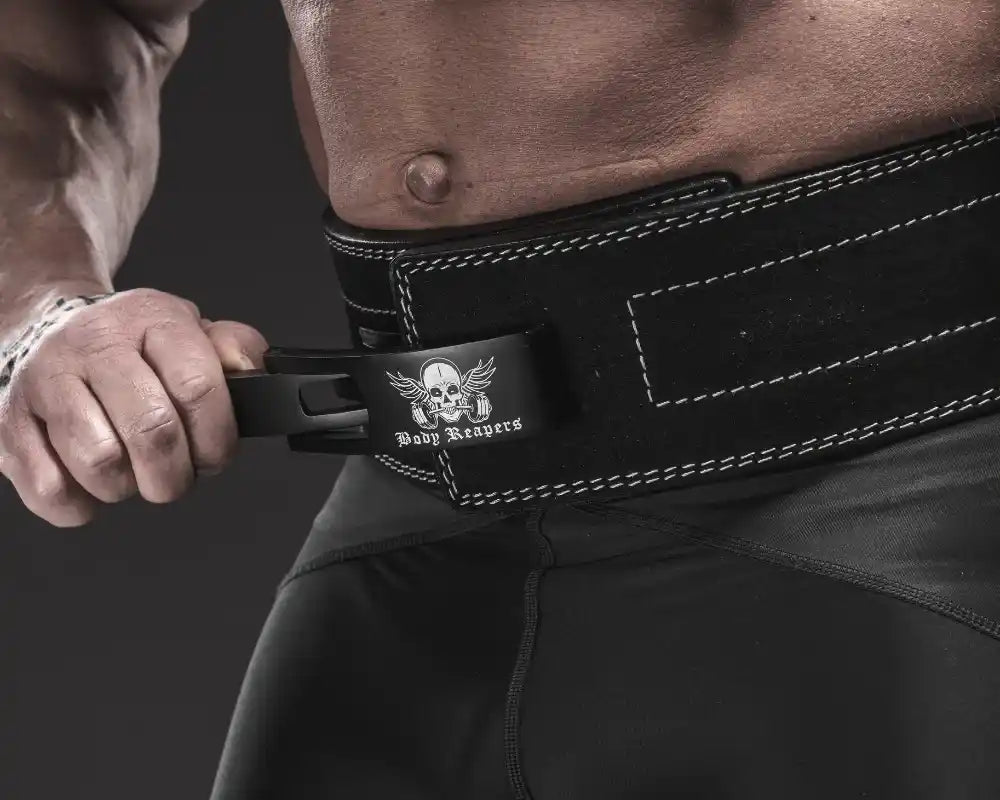
It takes much more than a stomach-squeezing belt to provide true spinal protection. Rebuilding bodies changes the way you design. That’s why Body Reapers10mm lever belt isn’t just about pressure. It’s about stabilizing the entire kinetic chain with orthopedic insight to support your spine. That quality helps you lift more safely and progress faster. Get the support you need today
Recommended Gear


Leave a comment
This site is protected by hCaptcha and the hCaptcha Privacy Policy and Terms of Service apply.