
Your wrist aches during a heavy bench press. A sharp pain shoots through your joint as you unrack the bar. This common problem stops many lifters from reaching their full potential. You need a solution that provides direct support. Wrist wraps are that solution.
You will learn how wrist wraps work, when to use them, and how they protect your joints. The right knowledge helps you lift with more confidence, less pain, and better safety.
What Are Wrist Wraps?

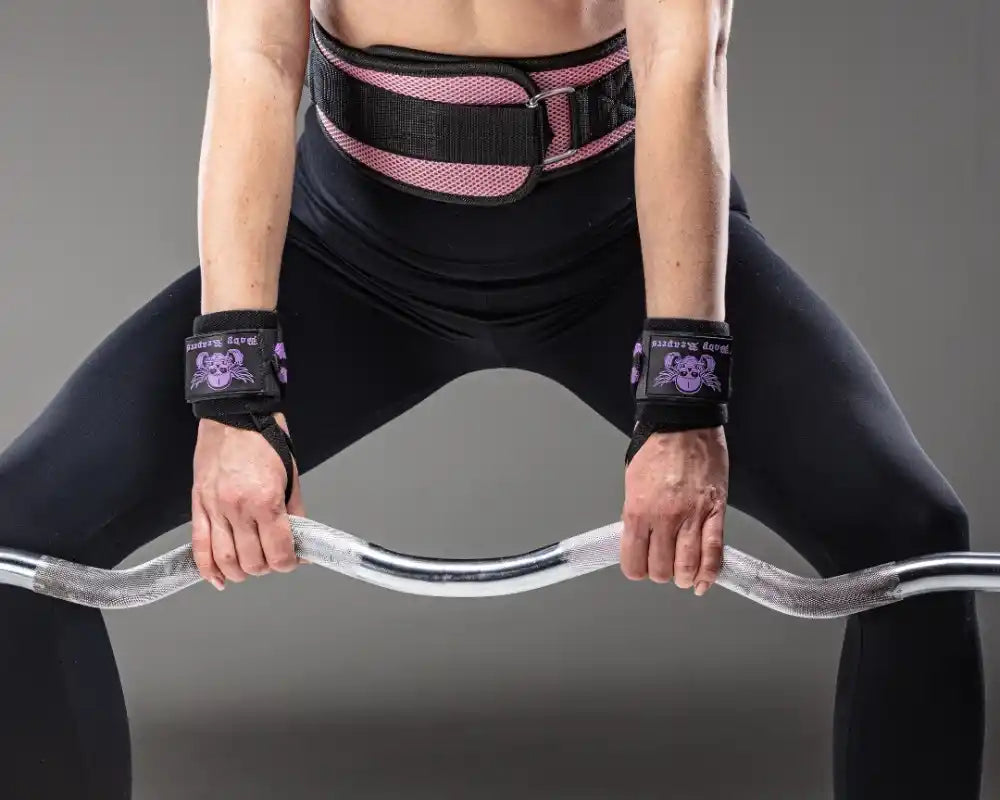
Wrist wraps are simple support bands made from stiff or stretchy material. You wrap them tightly around your wrist using Velcro to keep the joint secure. Their main job is to give your wrist extra stability, almost like an external ligament.
The wrist is a delicate hinge joint. It's built for movement, not for handling heavy weight pressing down from above. Without support, that joint becomes a weak point. Wrist wraps step in where your body needs help.
By reinforcing the wrist, wraps create a strong, stable line from your forearm to your hand. This helps transfer force smoothly into the barbell. Most importantly, they stop your wrist from bending back or collapsing when the weight gets heavy.
The 7 Core Benefits of Wrist Wraps for Lifters
1. Eliminate Painful Wrist Hyperextension
Your wrist bends back too far under a heavy load.This hyperextension strains ligaments and causes acute pain at the bottom of a bench press or push-up.
Wrist wraps physically block this dangerous range of motion. They create a firm "stop" that keeps your wrist in a safe, neutral position. This immediately removes a primary cause of sprains and chronic pain.
2. Provide Direct Joint Stability and Security
Many lifters feel a shaky or unstable wobble in the wrist during pressing movements. Instability leads to power loss and increases mental stress, making heavy weights feel unsafe. A tightly wrapped wrist compresses the joint and limits unwanted movement in every direction. The result feels like a solid, secure pillar from forearm to hand, which defines proper wrist support for the bench press
3. Drastically Reduce Pain from Tendinitis and Overuse
You suffer from dull, aching pain during or after workouts. This is often wrist flexor or extensor tendinitis, inflammation from repetitive strain.
By stabilizing the joint, wraps reduce shear and tensile forces on the tendons. A study in the Journal of Hand Therapy found that external support can significantly reduce pain in individuals with chronic wrist tendinopathy. This allows you to train while managing mild, chronic conditions.
Important Note: Wraps help manage pain from overuse, but are not a cure for acute injuries. Always seek professional medical advice for significant pain.
Also Read: Wrist Wraps for Bench Pressing: Do They Help?
4. Enhance Mind-Muscle Connection and Technique
Worrying about wrist pain or wrist position distracts you and pulls focus away from the primary muscle groups you want to train.
The tight, tactile feedback from wrist wraps improves your proprioception, or your sense of joint position. Your brain recognizes that the wrist is secure. You can then direct full mental effort toward contracting the chest, shoulders, or triceps. The result is a better technique and a stronger mind-muscle connection.
5. Boost Confidence for Heavy Lifts
Mental hesitation creeps in before a heavy single. Fear of wrist pain or joint collapse makes you second-guess the attempt.
The physical security provided by the wrap directly reduces psychological barriers. Knowing your wrist is reinforced allows you to approach maximal lifts with greater focus and aggression. This boost in self-efficacy is a powerful, often overlooked benefit.
6. Accelerate Recovery Between Sets
Wrist pain or fatigue accumulates with each set. By your third or fourth working set, the discomfort limits your performance and volume.
Wraps offload the tendons and ligaments during the lift itself. This minimizes the micro-trauma incurred with each rep. Your wrists feel "fresher" for later sets in the same session. You can complete your planned training volume in a safer, more effective way.
7. Promote Long-Term Joint Health
Years of heavy lifting create cumulative, repetitive stress on the wrist joint. Over time, that stress can lead to early degenerative wear or chronic arthritis.
Using wrist wraps consistently during high-stress sets supports long-term injury prevention. Wrist wraps reduce excessive strain on a vulnerable joint and limit unnecessary wear. Regular use becomes an investment in training longevity and helps you lift effectively for years to come.
Body Reapers Wrist Wraps are engineered with premium, non-stretch material to lock your joint in place. Experience the unshakable stability needed for your heaviest presses. Build your foundation here.
Q: Can I use wrist wraps for pull-ups or rows?
Wrist wraps are used to stabilize the joint under axial load (force from above, as in a press). For pull-ups, rows, and deadlifts, your wrist is in a different position. Wraps provide little benefit here. For those pulling exercises, lifters use lifting straps (which attach to the bar) to aid grip, not support the wrist. They are different tools for different jobs.
Q: How tight is too tight? My fingers feel tingly.
Tingling or numbness is your body's warning sign. It means the wrap is too tight and is impeding blood flow or nerve function. Immediately loosen the wrap. The correct level of tightness provides firm support and resistance to movement, without compromising sensation or circulation in your hand.
Recommended Gear



Leave a comment
This site is protected by hCaptcha and the hCaptcha Privacy Policy and Terms of Service apply.