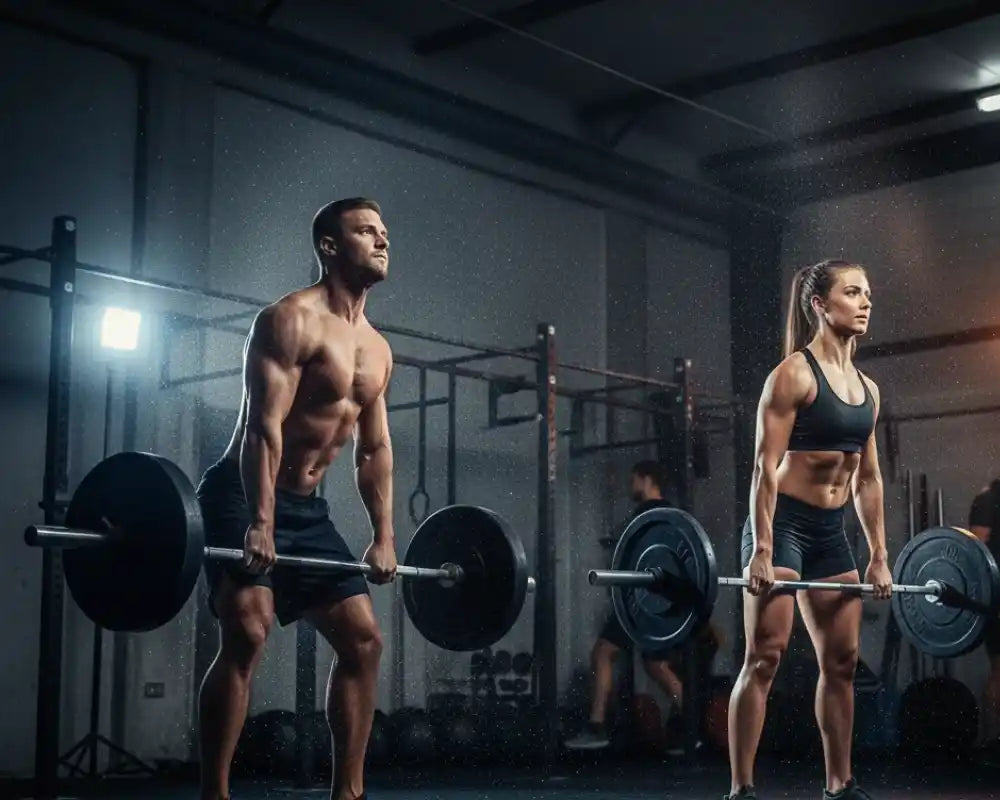
Are you chasing maximum strength? Do you want peak explosive power? Olympic lifting variations are essential tools for any serious athlete.
The Power Clean vs Hang Clean debate is a frequent one in the gym. Many lifters use them interchangeably. This is a mistake. Each lift serves a distinct purpose.
One builds raw strength from the floor. The other refines the critical explosive phase. Knowing the difference allows you to select the appropriate lift. Correctly integrating them drives superior results. We show you how to master both and avoid the errors that hold you back.
What is a Power Clean?
The power clean is a full Olympic lift. It starts with the barbell on the floor. The athlete pulls it to their shoulders in one explosive motion. The catch occurs in a partial squat. This "power" position is above parallel.
The movement has distinct phases. It begins with the first pull from the floor to the knees. The second pull from the knees to the hip extension is the most powerful. Finally, you pull yourself under the bar to catch it.
Primary muscles worked include the glutes, hamstrings, and quadriceps. The upper back, traps, and shoulders are also heavily engaged. This lift builds full-body explosive power. It teaches coordination from the ground up.
What is a Hang Clean?

The hang clean begins with the barbell already in your hands. You start from a standing position. The bar "hangs" in front of your thighs. You then initiate the pull from this static position.
There are two common start points. The first is above the knee. The second is below the knee. The below-knee start is more challenging. It requires more control off the floor.
The movement pattern is shorter. It focuses on the second pull-and-catch phase. This teaches explosive extension of the hips, knees, and ankles. This is called triple extension.
Hang cleans target the posterior chain powerfully. They emphasize the glutes, hamstrings, and upper back. The shorter range of motion allows for a focus on speed. Many athletes find it easier to learn initially.
Key Differences: Power Clean vs Hang Clean
Understanding these differences will guide your choice.
Starting Position
The floor is where the power cleaning starts. Standing is the starting position for the hang clean. This is the most obvious difference.
Range of Motion
Power cleans have a longer range of motion. They require strength from a deadlift position. Hang cleans have a shorter pull. They focus on the top half of the movement.
Technical Difficulty
In general, power cleans are more complex. They require a longer draw with exact timing. For beginners, hang cleans are frequently a great place to start. The initial pull step is made simpler.
Primary Strength Demands
Power cleans develop strength from the floor. They require strong quads and a solid back off the ground. Hang cleans develop explosive hip extension. They build power in a more athletic posture.
Sport Specific Application
Power cleans are foundational for weightlifters. They mimic the full clean pull. Hang cleans have direct carryover to jumping and sprinting. The start position mimics an athletic stance.
Which Exercise is Better for Your Goals?
"Better" depends entirely on your objective. Here is a clear breakdown.
Choose the Power Clean If...
Your goal is full Olympic weightlifting proficiency. You want to compete in the sport. The power clean is a mandatory progression.
You need to develop raw strength from the floor. This is crucial for sports like football, where linemen or strongmen are involved.
You have good mobility in your ankles, hips, and shoulders. The full movement demands adequate range of motion.
Choose the Hang Clean If...
You are a beginner learning the clean movement. Removing the first pull reduces complexity. It lets you focus on the explosive finish.
You are an athlete focused on vertical jump or sprint speed. The hang clean's start mimics the pre jump or sprint posture. Research indicates it improves the rate of force development.
You have mobility restrictions for the floor start. Issues with ankle dorsiflexion or hamstring flexibility can be worked around.
You want to emphasize the powerful hip snap. The hang clean isolates the second pull masterfully.
The Smart Approach: Use Both
Most athletes benefit from both exercises. Periodize them in your training. Use hang cleans in speed focused phases. Use power cleans in strength building blocks. This holistic approach builds complete athletic power.
5 Common Form Mistakes and How to Fix Them
Bad form steals power and invites injury. Avoid these critical errors.
Mistake 1: Pulling with Your Arms Too Early
This is the most common flaw. You bend your elbows before full hip extension. This kills power and strains the biceps.
The Fix: Think of your arms as ropes. They only bend after you have fully extended your hips and knees. Drill this with high pulls. Focus on keeping arms long until the jump.
Mistake 2: Jumping Forward or Backward
The bar path should be vertical. Jumping forward means you are pulling the bar out. Jumping backward means you are hitting the bar with your hips.
The Fix: Focus on jumping straight up. Keep your weight centered over your mid foot. Practice with lighter weights. Record a video of your bar path.
Mistake 3: Catching with Soft Elbows
Your elbows must be high and fast in the front rack. Catching with low elbows puts stress on your wrists and shoulders.
The Fix: Practice front squats and rack holds. Strengthen your front rack position. Visualize punching your elbows up and through quickly.
Mistake 4: Losing Tension in the Hang Position
You start the lift relaxed, letting your back round. This makes the bar swing and can strain your lower back.
The Fix: Before you even move, brace your core and tighten your back. Squeeze your lats hard, like you're trying to bend the bar around you, and keep that full-body tightness through the whole pull and catch.
Mistake 5: Starfish Feet on the Catch
Landing with feet too wide looks awkward. It also reduces stability and power transfer.
The Fix: Your feet should move to a natural athletic stance, about shoulder width apart. Practice the foot movement without a bar. Jump and land in a stable position.
Conclusion: Power and Precision
The power clean vs hang clean debate has no single winner. Your goals determine the best tool. The power clean builds foundational strength from the ground. The hang clean develops explosive athletic power. Master both to become a well rounded athlete.
Remember, flawless technique always outweighs heavy weight. Start light. Progress slowly. Film your lifts. Consider coaching. Your journey to explosive power starts with a single, perfectly executed rep.
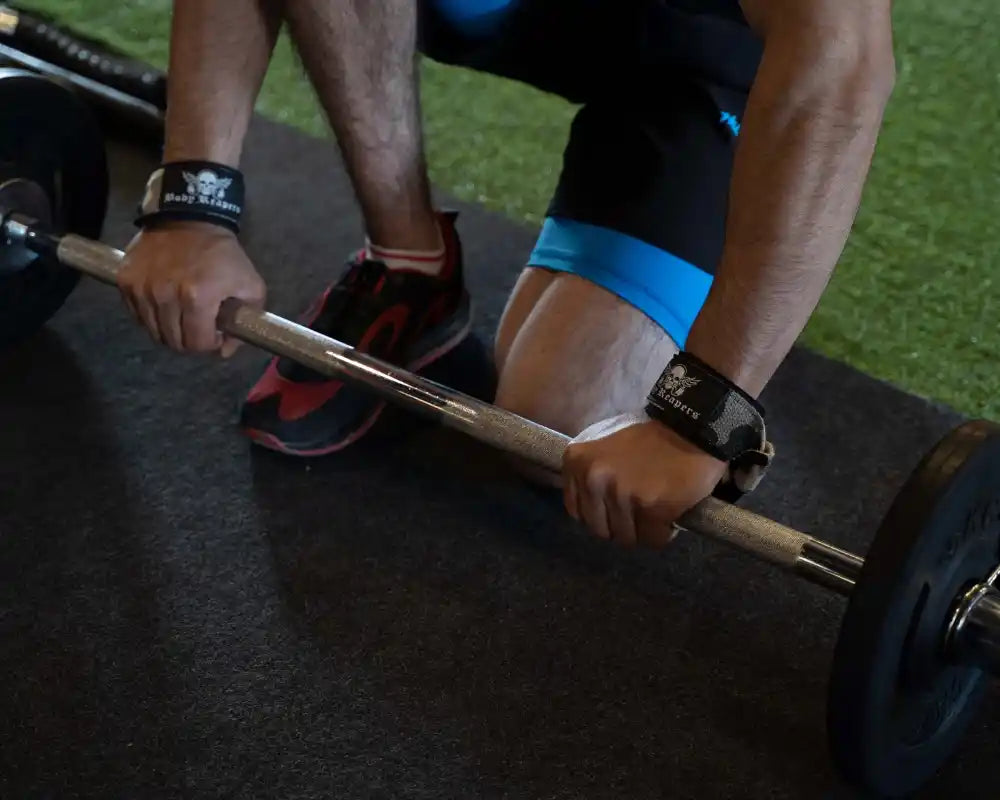
Upgrade your training with Body Reapers strength gear. Our lifting belts, straps, and sleeves give you more stability, better grip, and safer training. Built for durability and comfort, so your performance stays strong in every session.
Q: Is hang clean easier than power clean?
A: For most beginners, yes. The hang clean simplifies the movement. It removes the challenging first pull from the floor. This lets you focus on the explosive top pull and catch. It is an excellent learning progression.
Q: Which is better for vertical jump, power clean or hang clean?
A: Hang clean is better. You start in a jumping position, so the explosive movement translates directly to higher jumps. It's more specific and simpler to learn.
Q: Why do my wrists hurt after cleans?
A: Wrist pain usually signals a poor catch position. Drive your elbows up fast. The bar should rest on your shoulders, not your hands. Work on your front rack position.
Recommended Gear


Leave a comment
This site is protected by hCaptcha and the hCaptcha Privacy Policy and Terms of Service apply.