Powerlifting vs. Weightlifting: Which Sport is Best for You?
You want to get strong. You see impressive feats online. Barbells loaded with heavy weights. Athletes are displaying amazing power. But two different sports dominate this space. Powerlifting and Weightlifting. They look similar to a newcomer. But they are fundamentally different. Picking the right road saves you time. And it plays to your strengths. It matches your personal goals.
This guide will cut through the confusion. We will break down each sport with clarity. You will learn the core lifts. You will understand the training goals. You will see which sport fits your body and ambition. Let us settle the debate between powerlifting and weightlifting.
Explore More: Best Lever Belts for Powerlifting, Weightlifting & Gym
What is Powerlifting? The Sport of Maximal Strength

Powerlifting tests one thing. Pure, absolute strength. It asks a simple question. What’s the most you can lift at once? The weightlifting is centered around three main lifts. It's a maximal speed, risk/reward contest. Powerlifting meets are contests in which individuals perform lifts in certain weight classes. They have three tries at each lift. Their best successful lift in each category are added together. This total decides the winner.
In the US, this typically means the USAPL. Powerlifting culture values gradual progression. It’s consistent, and it takes some mental toughness. It is always the one rep max that you are trying to increase.
Related: Are Straps Allowed in Powerlifting? Rules, Exceptions & Smart Training Advice
The Three Powerlifting Lifts: The Big Three
Powerlifting is built on a simple, brutal trilogy. These are the powerlifting lifts.
- The Squat. You start with a barbell on your back. You descend until your hips break parallel with your knees. Then you drive back up. This is the ultimate test of lower-body and core strength.
- The Bench Press. You lie on a bench. You lower a barbell to your chest. You pause. Then you press it back to full arm extension. This measures upper-body pressing strength.
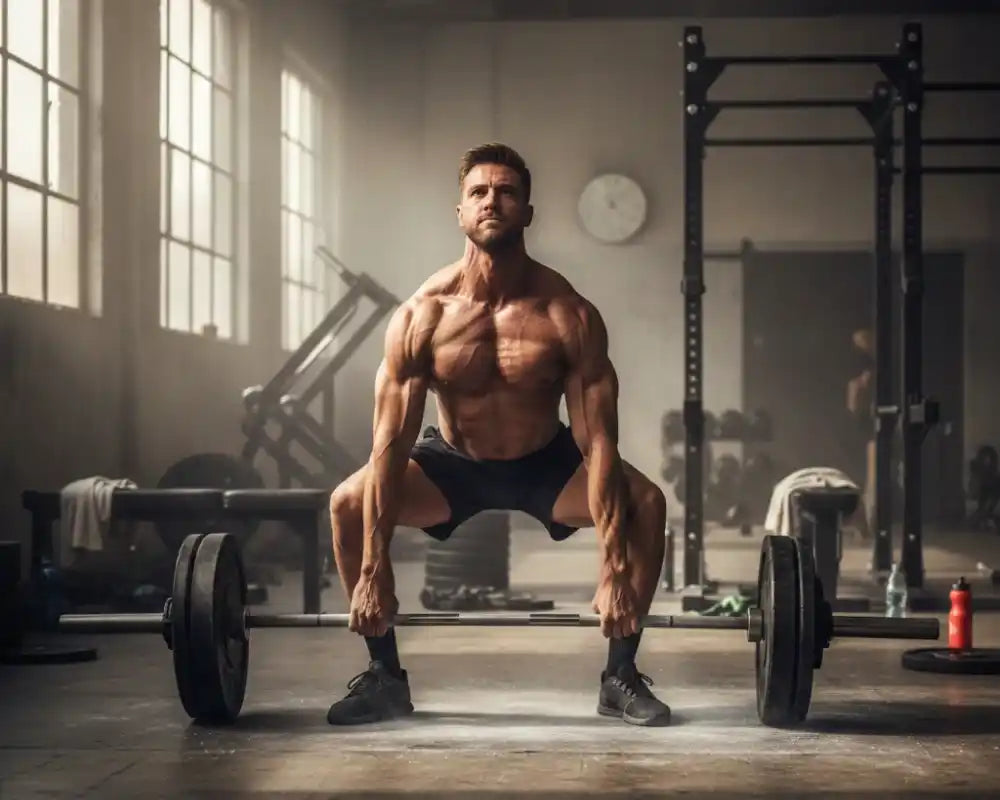
- The Deadlift. You stand over a barbell on the floor. You grip it and lift it until you stand fully upright. The weight is in your hands. This is the test of total-body pulling strength.
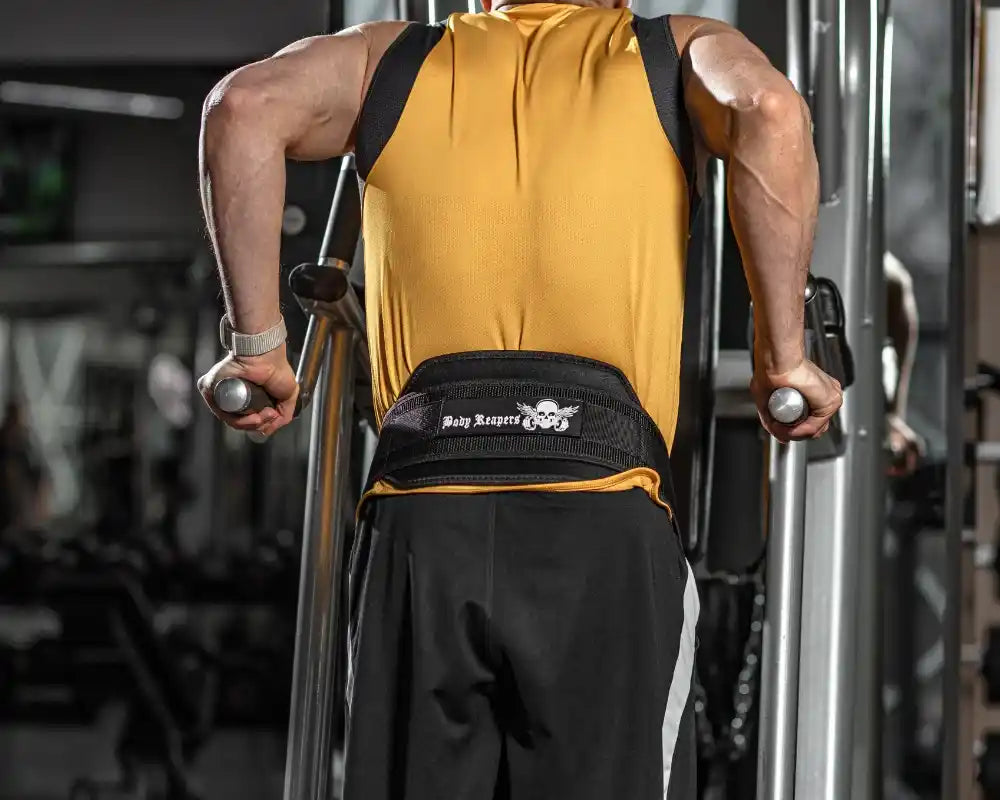
The entire sport focuses on improving these three movements. Training involves variations of these lifts. Accessory work supports them. The equipment, like a powerlifting belt, helps you lift more safely.
What is Weightlifting? The Sport of Explosive Power

What people commonly call "weightlifting" is actually Olympic Weightlifting. It is the sport you see in the Summer Olympics. The goal is not just to lift weights. It is to lift weight with explosive speed and technical mastery. Weightlifting is about power. Power is strength multiplied by speed. It requires incredible coordination, flexibility, and precision. The international governing body is the IWF. Weightlifting is a dynamic sport. It trains your body to be fast and athletic under a heavy load. Success is measured by your best successful lift in two highly technical movements.
Related: Do Weightlifting Belts Increase Strength and Safety in the Gym?
The Two Weightlifting Lifts: The Snatch and Clean & Jerk
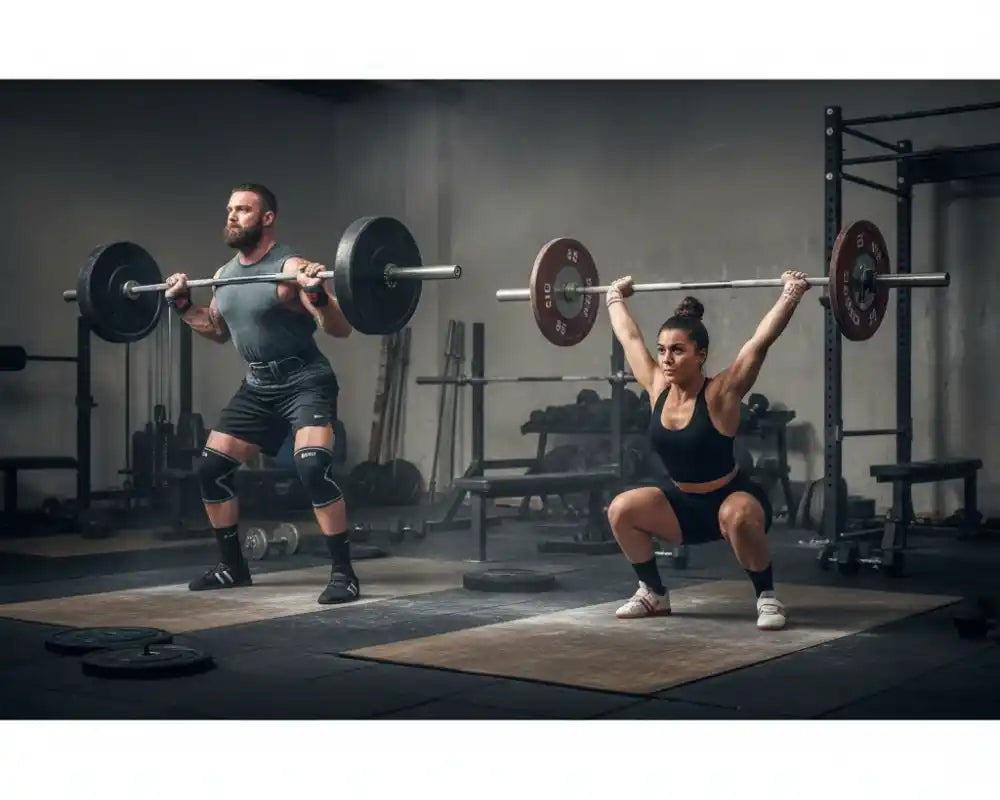
Olympic weightlifting consists of two spectacular lifts.
- The Snatch. In one continuous, explosive motion, you lift the barbell from resting on the floor to suspended overhead. Your arms are locked out. You catch the weight in a deep squat. It is the ultimate test of coordination and speed.
- The Clean & Jerk. This is a two-part lift. First, you "clean" the bar from the floor to your shoulders, catching it in a front squat. Then, you "jerk" the bar from your shoulders to an overhead position using a driving dip and split of your legs.
Mastering these lifts takes years. It demands significant mobility in the ankles, hips, and shoulders. The training develops phenomenal explosive strength.
Powerlifting vs. Weightlifting: Direct Comparison
This table gives you a clear, quick breakdown of the key differences.
Feature Powerlifting Weightlifting (Olympic)
Competition Lifts Squat, Bench Press, Deadlift Snatch, Clean & Jerk
Primary Objective Maximal Strength Explosive Power
Defining Quality Force Production Speed, Technique, Mobility
Learning Curve Straightforward Mechanics High Technical Complexity
Common Equipment Lifting Belt, Wrist Wraps Lifting Straps, Weightlifting Shoes
Which Sport Should You Choose
What’s the ideal sport for you is dependent on your goals, body type and personal likes.
1. If You Want Pure Strength
Choose powerlifting.
It is ideal for strength seekers.
It builds real-world strength.
It improves bone density and muscle size.
2. If You Want Athletic Power
Choose weightlifting.
Weightlifting develops speed and power.
It improves coordination and mobility.
It helps performance in sports like football, basketball, and track.
3. If You Are a Beginner
Both sports are valid.
Start with the technique first.
If you prefer power and brute strength, start with powerlifting.
If you want speed and full-body movement, try weightlifting.
Powerlifting improves core and stabilizer strength.
1. Which sport is better for a complete beginner?
For most beginners, powerlifting is easier to start. The squat, bench, and deadlift are simpler to learn at a basic level. You can build a solid strength base safely. Olympic weightlifting has a steeper technical curve. We recommend beginners start with a focus on powerlifting fundamentals or seek a coach for weightlifting.
2. Does powerlifting or weightlifting build more muscle?
Both are excellent for building muscle, a process called hypertrophy. Powerlifting often leads to thicker, denser muscle mass due to heavy loads. Weightlifting builds powerful, athletic muscle with a focus on the back, legs, and shoulders. A 2018 review in Sports Medicine concluded that both resistance training styles are effective for hypertrophy when volume is equated.
Conclusion
Your training only works with tools you trust. The right gear is a problem solver: it keeps you safe, enhances your grip and allows you to concentrate on pushing the limit rather than taking inventory of equipment.
Body Reapers makes that kind of gear. No flash, just function. Durable leather belts, reliable straps, and simple designs built for the long haul.
So grab your sport and get the right support. If you’re doing heavy squats and deadlifts, a sturdy lifting belt is essential. A good set of straps helps save your grip for the pulls that count, be it a clean or a tough round of deadlifting. Never drop your chalk and straps again with shaft strap conveyor hangers. Shield your hands with gloves tough enough to take it.
Get what you need at Body Reapers. Build strength with gear that’s built to last.
Recommended Gear


Leave a comment
This site is protected by hCaptcha and the hCaptcha Privacy Policy and Terms of Service apply.